Source Brocade Fabric for Garments, Bags, and Home Textile
Find 30 brocade fabric options for garments, bags, and home textile applications. Compare woven and jacquard styles in polyester and cotton compositions, with weights ranging from 100 to 180 g/m² and customization available for bulk sourcing needs.
Key considerations
Products List


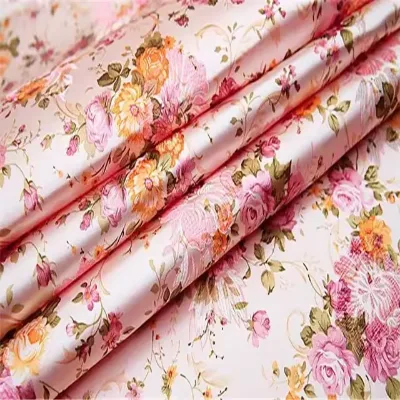
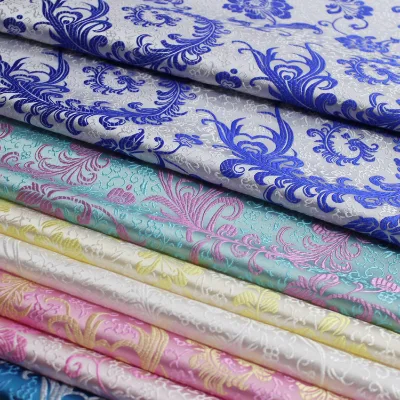
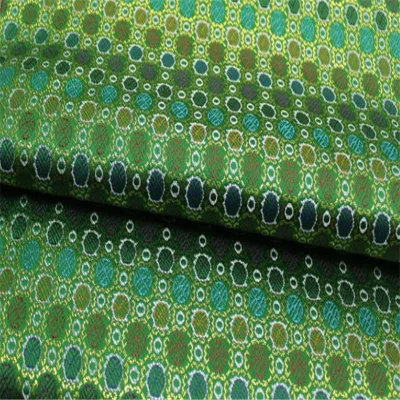
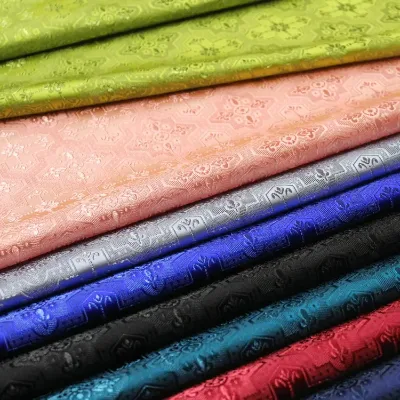
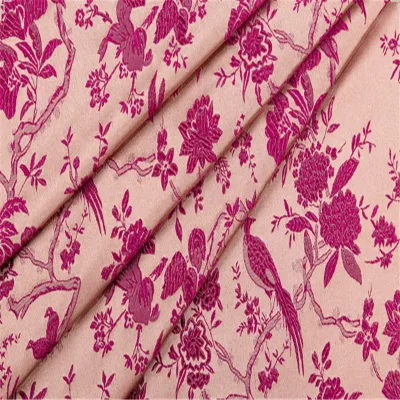
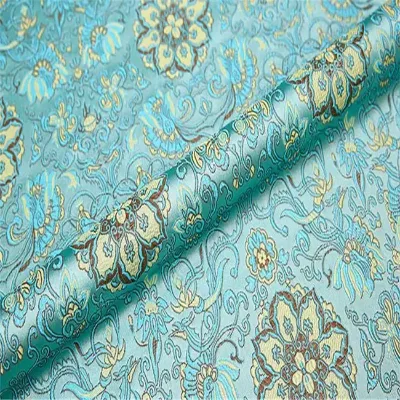


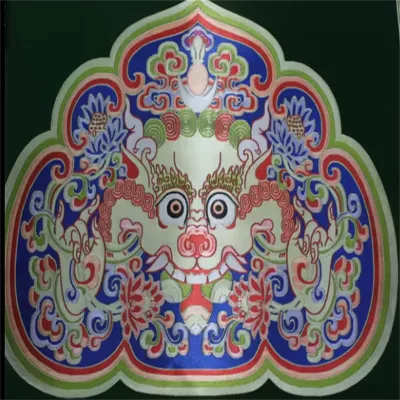
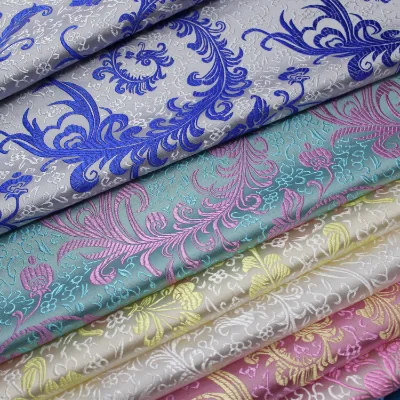


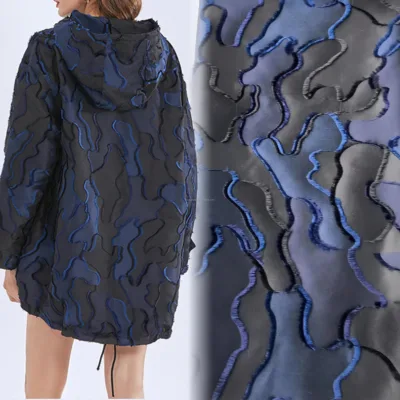
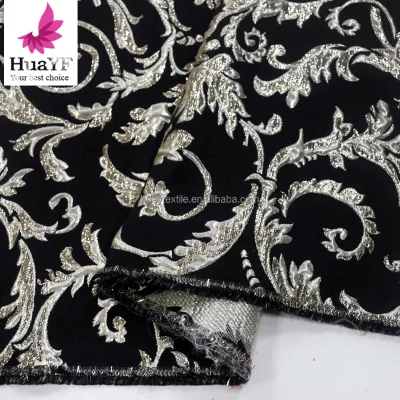

Comprehensive Sourcing Guide
Brocade Fabric Sourcing Guide
Procuring brocade fabric requires a disciplined approach to distinguishing between woven and knitted variations, as the supplied market data indicates a mix of technical attributes including "Woven" and "Knitted Type" options. Buyers must first clarify whether the project demands the traditional raised patterns associated with jacquard weaving or if a simpler plain dyed structure suffices for the intended application. The observed listings reveal that while some products are explicitly labeled as "Jacquard" with a "Woven" technique, others are described with generic "Knitted" attributes, necessitating a precise definition of the desired texture and structural integrity before engaging with suppliers.
The sourcing landscape for this material is characterized by significant variability in composition, with observed listings citing both "100% polyester" and "100% COMBED COTTON" as primary materials. This divergence directly impacts the fabric's drape, durability, and suitability for specific end-uses ranging from automotive interiors to wedding apparel. A buyer must verify the fiber content against the specific performance requirements of the final product, as a polyester blend may offer superior tear resistance and colorfastness for heavy-use applications like car upholstery, whereas combed cotton might be preferred for breathable garment linings or soft home textiles.
Product Scope and Observed Listing Signals
The market for brocade fabric displays a wide spectrum of product models, with specific identifiers such as "2021-5," "2019-3," and "BT2026-012" appearing in active listings. These model numbers often correlate with distinct weight classes and density specifications, such as the observed "100 g/m²" and "140gsm" variants, which dictate the fabric's hand feel and structural weight. Buyers should treat these model numbers as critical reference points for consistency, ensuring that the specific batch ordered matches the technical profile of the sample approved during the initial selection phase.
Application scope is equally diverse, with observed usage tags covering sectors from "Car, Bag, and Tent" to "Apparel-Dress" and "Home Textile-Cushion." The data confirms that the material is versatile enough for "Upholstery," "Underwear," and "Wedding" events, yet the specific "Style" and "Pattern" attributes must align with the design intent. For instance, a "Plain Dyed" style may be suitable for solid-color upholstery, while a "Yarn Dyed" or "Jacquard" pattern is essential for decorative garments or high-end home textiles where visual texture is a primary selling point.
Technical Specifications to Verify
Width and density are two of the most critical physical parameters that require immediate verification, as observed listings show widths ranging from "75CM" to "75cm/30"" and densities varying from "50" to "120." These specifications directly influence the yield per meter and the final cost of the finished good, making it essential to confirm the exact width before calculating material requirements. A discrepancy in width can lead to significant waste or the need for complex seaming, particularly in large-scale projects like curtain manufacturing or automotive seat covers where pattern matching is required.
Weight and yarn count are equally vital for ensuring the fabric meets the durability and aesthetic standards of the end product. The observed data includes weights of "100 g/m²" and "180 g/m²," alongside yarn counts described as "standard" or specifically "80." Buyers must verify that the selected weight corresponds to the intended use; for example, a "Medium Weight" fabric is generally appropriate for garments and light home textiles, whereas heavier densities may be necessary for heavy-duty applications like "Sofa" covers or "Industry" uses. Confirming the yarn count ensures the fabric has the necessary tensile strength and surface smoothness for the specific manufacturing process.
Compliance and Safety Documentation
Certification status is a non-negotiable aspect of the procurement process, with observed listings explicitly mentioning "EN" certification. This indicates that the supplier may adhere to specific European standards, which is crucial for buyers targeting markets with strict regulatory requirements for textiles. However, the presence of a single certification code does not guarantee comprehensive compliance for all regions or end-uses; buyers must request detailed test reports to verify that the fabric meets specific safety standards for flammability, chemical restrictions, and colorfastness relevant to their target market.
Safety documentation must also address the specific composition of the material, particularly when the fabric is intended for sensitive applications like "Infant/Baby" wear or "Underwear." While the data confirms the availability of "100% Polyester" and "100% COMBED COTTON," buyers must ensure that the dyes and finishing agents used in the "Plain Dyed" or "Yarn Dyed" processes are free from harmful substances. Requesting a declaration of conformity or a material safety data sheet (MSDS) is essential to validate that the product is safe for direct skin contact and complies with international chemical regulations.
Cost Drivers and Commercial Terms
Pricing in the brocade fabric market is influenced by a complex interplay of material composition, weight, and order volume, with observed price ranges spanning from $0.58 to $13 per unit. The significant variance suggests that factors such as the complexity of the "Jacquard" pattern, the quality of the "COMBED COTTON," and the specific "Supply Type" (e.g., "In-Stock Items" versus custom production) play a major role in the final cost. Buyers should analyze the price per square meter rather than per unit to accurately compare different suppliers and understand the true cost implications of their chosen specifications.
Minimum Order Quantity (MOQ) and supply ability are critical commercial terms that affect cash flow and inventory management, with observed MOQs ranging from "5 meters" to "5000" units. The data indicates a high supply capability of "50000 meters per Month," which suggests that suppliers can handle large-scale orders, but the specific MOQ for custom models like "HYHY-10075" or "HYBYD-BR14075" may differ. Buyers must negotiate terms that balance the need for inventory flexibility with the supplier's production constraints, ensuring that the "Packaging Details" and "Port of dispatch" align with their logistics strategy to minimize additional costs.
Supplier Qualification and Quality Control
Supplier qualification should focus on verifying the consistency of their production capabilities, particularly regarding the "Customization" options and the ability to maintain specific model numbers like "HYBYD-18075." The availability of "Meter sample" options allows buyers to physically inspect the "Tear-Resistant" features and the quality of the "Bale Packing" before committing to a larger order. It is essential to assess whether the supplier can consistently reproduce the observed "Density" and "Weight" specifications across different batches, as variations in these parameters can lead to quality issues in the final product.
Quality control protocols must be established to ensure that the "Single gross weight" and "Single package size" remain consistent with the agreed-upon specifications. Buyers should implement a rigorous inspection process that checks for defects in the "Pattern" alignment, color consistency across the "1#,2#" or multi-color ranges, and the integrity of the "Woven" or "Knitted" structure. Given the diverse applications ranging from "Shoes" to "Wedding" attire, a failure in quality control can result in significant financial loss, making it imperative to define clear acceptance criteria and rejection thresholds before production begins.
Long-Term Procurement Checks
Sustaining a successful procurement relationship requires regular audits of the supplier's ability to maintain the "Supply Type" and "Style" consistency over time. The market data shows a mix of "Traditional" styles and modern variations, and buyers must ensure that the supplier can adapt to changing design trends without compromising the core "100% Polyester" or "100% COMBED COTTON" quality. Long-term checks should include periodic sampling to verify that the "Yarn Count" and "Width" remain stable, preventing unexpected changes in the fabric's performance or appearance.
Finally, buyers must monitor the supplier's logistical reliability, including the "Port of dispatch" and lead times for "In-Stock Items" versus custom orders. The observed data indicates a dispatch from "Shanghai or other ports," which implies potential variability in shipping times depending on the specific location and order size. Establishing a clear communication channel for updates on production status and potential delays is essential for managing inventory levels and ensuring that the "Applicable to the Crowd" requirements for "Women, Men, Girls, Boys, Infant/Baby" are met without disruption to the supply chain.
FAQs
What materials are used for this brocade fabric?
The brocade fabric is available in 100% polyester and 100% combed cotton compositions. These materials offer distinct textures and durability profiles suitable for various applications. Buyers can select the fiber content based on specific garment or home textile requirements, ensuring the final product meets desired quality and feel standards.
Can I customize the brocade fabric specifications?
Yes, customization is available for this brocade fabric. Buyers can request specific model numbers, widths, and weight variations to match their production needs. This flexibility allows for tailored solutions in apparel, upholstery, and accessory manufacturing, ensuring the fabric aligns precisely with design specifications and functional requirements.
What is the minimum order quantity for samples?
The minimum order quantity for meter samples is five meters. This low MOQ allows buyers to evaluate fabric quality, color accuracy, and texture before committing to larger bulk orders. It serves as a practical step for quality assurance and design validation in the sourcing process.
What certifications does the brocade fabric hold?
The brocade fabric holds EN certification, indicating compliance with specific European standards. This certification provides assurance regarding safety and quality benchmarks for international trade. Buyers requiring certified materials for regulated markets can rely on this documentation to meet compliance requirements for their finished goods.
How is the brocade fabric packaged for shipping?
The fabric is packaged by folding or rolling it into a polyester bag, which is then placed inside a carton. This method protects the material from moisture and damage during transit. The packaging ensures the brocade fabric arrives in pristine condition, ready for immediate use in manufacturing or retail.
What are the typical uses for this brocade fabric?
This brocade fabric is versatile and used in cars, bags, home textiles, shoes, toys, and wedding apparel. It is also suitable for upholstery, curtains, and dresses. Its durability and aesthetic appeal make it ideal for both fashion garments and functional industrial applications across various sectors.